


After a panic attack, you enter a recovery phase where your body and mind gradually reset. As the fight-or-flight surge fades, your stress hormones drop, leaving you feeling drained, shaky, or tense. Your thinking might turn foggy, and lingering nervous system activation can keep fear alive for hours. These aftereffects are normal and usually settle with time. Understanding what’s happening in your body and mind can help you recover with more confidence.
Key Takeaways
- After intense symptoms fade, a gradual recovery phase begins as the fight-or-flight response winds down, rather than an instant return to baseline.
- The body feels drained because mobilizing enormous energy during the attack leaves it depleted once the adrenaline surge fades.
- Dropping stress hormones can cause lingering tiredness, shakiness, weakness, and muscle soreness from tension during the attack.
- Brain fog, slow thinking, and difficulty concentrating occur as the brain needs time to reset after intense nervous system activation.
- Residual anxiety and fear of another attack may persist for hours, as a sensitized nervous system scans for harmless sensations.
What Happens After a Panic Attack and Why Can You Feel Drained
After a panic attack, your body shifts into a recovery phase rather than snapping back to normal. During this period, the intense fight-or-flight response begins winding down, but its effects linger. The panic attack aftermath often leaves you feeling fatigued, weak, trembling, or physically emptied. You might also feel drained, uneasy, or “spaced out” as the peak symptoms pass. Recognizing panic attack signs early helps you apply coping strategies before escalation, and support is always available.
These post panic attack symptoms happen because your nervous system was intensely activated. Adrenaline and stress hormones surged rapidly, then dropped, leaving your body depleted. The energy cost of that arousal contributes to weakness, shakiness, and exhaustion.
Recovery after a panic attack takes time. Some effects fade quickly, while lingering discomfort can continue for hours, and that’s a normal, expected response.
Why Can Your Body Feel Tired Shaky or Tense After the Attack Ends
Your body feels tired, shaky, or tense after the attack ends because it just mobilized enormous energy to fuel the fight-or-flight response, so it makes sense that you’d feel wiped out once that surge fades. During the attack, adrenaline and other stress hormones spiked rapidly, driving intense autonomic arousal. When those hormones drop during recovery, you’re left feeling depleted, tired, and often shaky.
The trembling and weakness you notice after a panic attack reflect the physical cost of that arousal. Your muscles tensed and worked hard, so soreness, tension, or lingering shakiness can persist into the recovery period.
This tiredness isn’t a sign of bodily damage. It’s a normal recovery effect. Your nervous system stays activated for a while because settling down takes time. Rest, hydration, and quiet self-care can help your body recover.
Why Can Concentration Feel Difficult for a While Afterwards
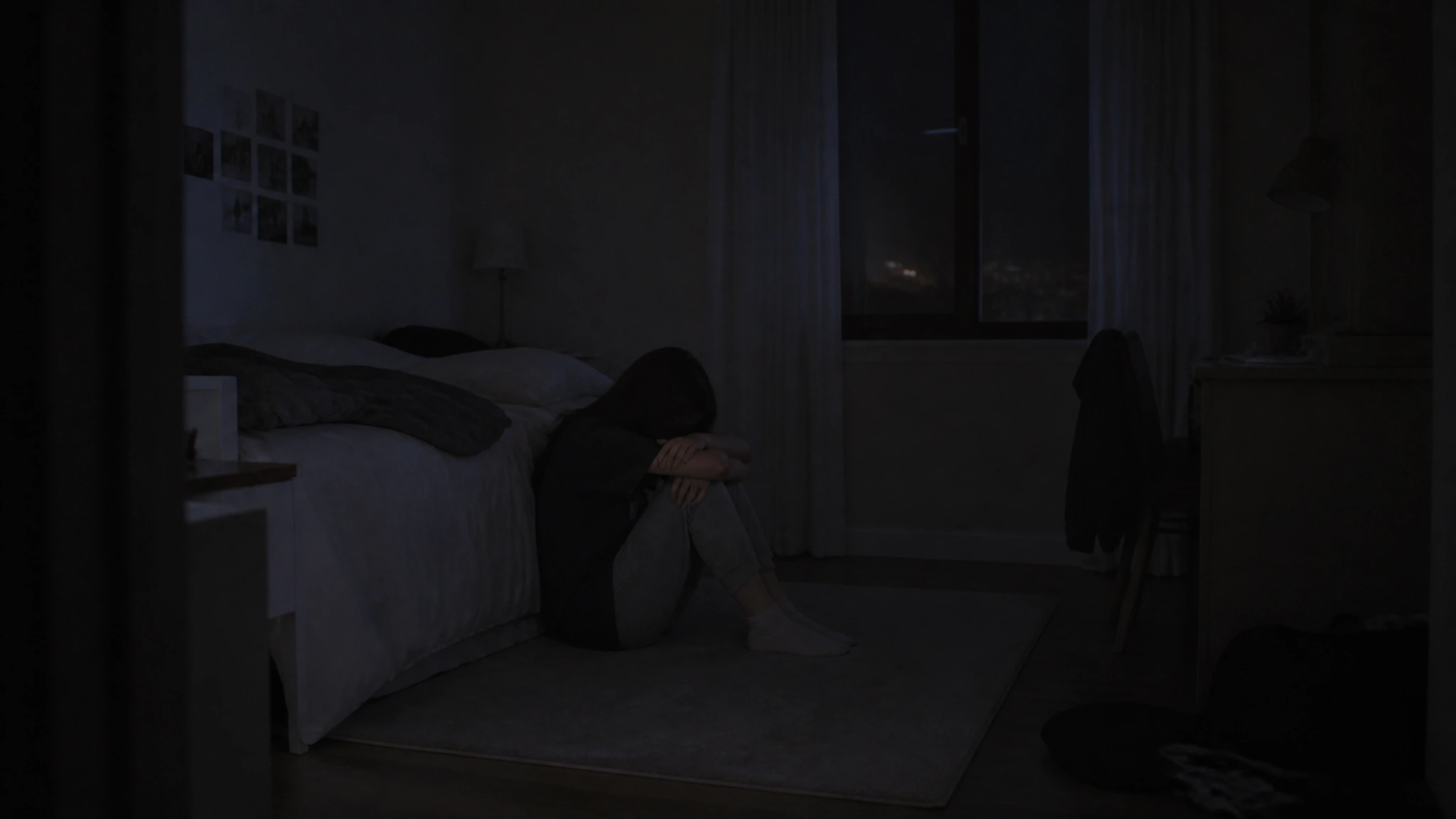
Concentration feels difficult for a while afterwards because your brain needs time to reset after intense nervous system activation. During the attack, your body mobilized enormous resources for fight-or-flight, and once the surge of adrenaline and stress hormones drops, your mind can feel depleted and blank. This brain fog reflects the aftermath of that activation, and your thinking may feel slow, foggy, or scattered, which is a common part of recovery.
You may struggle to focus, follow conversations, or make decisions for a while. Reduced alertness and mental sluggishness often linger, sometimes outlasting the physical symptoms.
This doesn’t mean anything’s wrong with you. Your brain simply needs time to reset after the demands placed on it. Give yourself permission to rest, and don’t expect sharp concentration to return immediately. Recovery unfolds gradually, at its own pace.
Why Can Fear of Another Attack Continue After Physical Symptoms Fade
Fear of another attack continues after physical symptoms fade because your nervous system stays sensitive for hours or sometimes into the next day, and that lingering activation can keep fear alive well after the physical symptoms fade. Your mind stays alert to any sign that another attack might be coming, scanning your body for changes that once signaled danger. A slightly faster heartbeat or a tightness in your chest can feel threatening, even when it’s harmless. This heightened sensitivity is a normal part of recovery, not a warning that something’s wrong. Residual anxiety often lingers as one of the last symptoms to settle. Recognizing that this fear reflects a still-activated nervous system, rather than genuine danger, can help you respond with patience instead of alarm. Causes of panic attacks explained often tie to stress responses, and recognizing triggers empowers you to reduce anxiety and regain control.
How Do Rest Reorientation Routine and Social Support Serve Different Recovery Goals

Rest, reorientation routine, and social support serve different recovery goals because each targets a distinct need. Rest replenishes the energy your body spent during intense arousal. Reorientation routines, grounding, hydration, quiet activity, help settle lingering cognitive symptoms like brain fog. Social support eases residual anxiety and dread by reminding you you’re safe.
| Strategy | Primary Goal | Addresses |
|---|---|---|
| Rest | Restore energy | Fatigue, weakness |
| Reorientation Routine | Settle the mind | Brain fog, disorientation |
| Social Support | Reduce residual fear | Anxiety, dread |
You don’t have to choose just one. Combining them targets physical depletion, mental fog, and emotional unease together. Match your approach to what you’re feeling most, and give yourself permission to recover gradually.
How Can You Recover Without Starting to Avoid Places or Activities
You can recover without avoiding places or activities by re-engaging with the setting instead of skipping it, even though skipping feels tempting after a panic attack. Avoidance offers short-term relief, yet it teaches your nervous system that the situation was genuinely dangerous, reinforcing future anxiety. Instead, let recovery and re-engagement work together. Implementing panic attack coping strategies at work, like mindful breaks and open communication, reduces stress and fosters a supportive environment.
- Rest first, then return. Give your body time to settle, but plan to revisit the setting soon rather than indefinitely postponing it.
- Go gradually. Break the return into small, manageable steps if a full re-entry feels overwhelming.
- Stay long enough. Remain until your anxiety naturally eases, showing yourself the situation is survivable.
- Track your progress. Note each successful re-entry to build evidence that you can cope.
When Do Repeated Aftereffects Suggest a Need for Ongoing Treatment
Repeated aftereffects suggest a need for ongoing treatment when they stretch well beyond the expected recovery window or keep returning. In most cases, feeling drained after a panic attack reflects normal recovery physiology that fades within hours or, at most, a day or two. But when the aftereffects keep repeating, they may signal something that needs ongoing attention. If you’re having frequent attacks, or your exhaustion, brain fog, or lingering anxiety stretches well beyond the expected recovery window, it’s worth talking to a professional. Watch for symptoms that worsen over time, interfere with work or relationships, or push you toward avoiding places and activities. Persistent dread between attacks also matters. These patterns don’t mean something’s medically wrong with your body, but they suggest your nervous system needs more support than self-care alone provides. Getting evaluated early helps you recover more fully and prevents escalation.
Get Support When Panic Attacks Keep Taking a Toll
Path2Purpose provides treatment for panic attacks, anxiety, and other mental health concerns through PHP, IOP, outpatient care, individual and group therapy, and medication management, with telehealth available throughout California and in-person treatment in Stockton. If panic attacks leave you exhausted, fearful of another episode, or unable to keep up with daily responsibilities, treatment can help address the symptoms and patterns contributing to ongoing anxiety. Call (209) 868-3219 to speak with the Path2Purpose team about available treatment options.
Frequently Asked Questions
Can Eating or Drinking Something Specific Help Speed up Recovery?
No single food or drink offers a proven quick fix, but gentle self-care can help. You’ve just burned through a lot of energy, so drinking water rehydrates you and eating something light can steady you if you’re feeling shaky or nauseous. Focus on what’s easy to tolerate rather than anything specific. Rest quietly while your body recovers. If your symptoms persist or worsen, it’s worth checking in with a professional.
Is It Safe to Drive After a Panic Attack?
It’s best to wait until you feel steady before driving. After an attack, you might still experience trembling, brain fog, lightheadedness, or trouble concentrating, which can impair your reaction time and focus. Give yourself time to recover in a quiet spot, hydrate, and check that your body feels calm. If you’re still shaky or spaced out, don’t rush it. Your safety matters more than getting back on the road immediately.
Can Panic Attacks Happen During Sleep and Cause Morning Exhaustion?
Yes, panic attacks can happen during sleep, and they can leave you exhausted the next morning. When a nocturnal attack triggers that intense fight-or-flight surge, your body mobilizes stress hormones and burns significant energy, just like a daytime episode. Even after you fall back asleep, your nervous system stays activated, so you’ll often wake up feeling drained, foggy, or physically wiped out. Rest and gentle self-care can help you recover.
Do Certain Medications Affect How Drained You Feel Afterward?
Yes, certain medications can influence how drained you feel afterward. While the knowledge here focuses on recovery physiology, stress-hormone shifts, nervous system activation, and high energy expenditure, your individual response can vary based on what you’re taking. Since medication effects fall outside what’s covered, it’s worth discussing your specific prescriptions with your doctor. If your post-attack fatigue feels unusually severe or persists beyond the expected recovery window, seek professional evaluation.
Can Regular Exercise Reduce Post-Panic-Attack Fatigue Over Time?
Regular exercise may help you build resilience against post-panic fatigue over time. When you exercise consistently, you strengthen your body’s capacity to handle stress-hormone surges and autonomic activation, which can leave you feeling less depleted after an episode. You might also recover faster as your fitness improves. Keep in mind, though, that individual responses vary, and exercise works best alongside other self-care and professional support when attacks persist.