

The most reliable natural remedies for anxiety aren’t supplements. You’ll get the strongest relief from regular exercise, steady sleep, less alcohol, slow breathing, and mindfulness, which performed comparably to escitalopram in one trial. Among supplements, oral lavender has the best evidence, though study quality varies. Chamomile’s unproven, and kava carries liver risks. Since none replace standard care, you should check interactions first. Below, you’ll see which options fit your situation and when to call a clinician.
Key Takeaways
- Regular exercise, steady sleep and meal routines, slow breathing, and progressive muscle relaxation are the best-supported natural ways to ease anxiety.
- Meditation offers small-to-modest anxiety benefits, and a 2023 trial found mindfulness-based stress reduction noninferior to escitalopram.
- Oral lavender has the strongest supplement evidence, chamomile’s is inconclusive, and kava’s short-term benefit carries serious liver injury risk.
- Supplements can interact with medications, such as lavender with sedatives and chamomile with warfarin, so have a pharmacist review them first.
- Cutting alcohol may prevent worsening anxiety, but persistent or severe symptoms warrant clinician care, such as CBT, rather than supplements alone.
What natural remedies actually help with anxiety
Regular exercise, steady sleep and meal routines, slow breathing, progressive muscle relaxation, and mindfulness have the best evidence among natural remedies for anxiety, though none should replace established treatment for an anxiety disorder. Many natural remedies promise calm, but only a few have solid evidence behind them. Explore ways to treat generalized anxiety disorder without medication through lifestyle changes, relaxation techniques, and mindfulness practices. Consulting a qualified healthcare professional can help develop a personalized treatment plan to manage symptoms and support long-term well-being.
Exercise, steady routines, slow breathing, muscle relaxation, and mindfulness have the strongest evidence for easing anxiety, but none should replace established treatment.
Lifestyle habits are a sensible starting point among natural remedies for anxiety. Regular exercise, even a short walk, can ease symptoms, and steady sleep and meal routines support your well-being. Cutting back on alcohol and avoiding illicit drugs can keep anxiety from worsening. Learn how to manage anxiety without medication through deep breathing, mindfulness, and support from loved ones. These strategies can help reduce stress, manage anxiety symptoms, and improve emotional well-being.
Among home remedies for anxiety, slow breathing and progressive muscle relaxation give you tools for tense moments. Mindfulness and meditation offer small-to-modest benefits, and one 2023 trial found mindfulness-based stress reduction noninferior to escitalopram. Yoga may help alongside other care. Learn how to manage anxiety and insomnia when they happen together by establishing a calming bedtime routine, limiting caffeine, and exercising regularly. These strategies can help reduce anxiety, improve sleep quality, and support overall well-being.
Supplements offer less reliable natural anxiety relief and carry risks. If your anxiety persists, see a professional.
Which supplements have real evidence and which do not
Oral lavender has the strongest evidence for anxiety, chamomile’s evidence is preliminary and inconclusive, and kava shows only short-term benefit. A 2019 review of 65 randomized trials and 7,993 participants found oral lavender effective in pooled analysis, though many studies had methodological limitations. Inhaled lavender’s evidence is less conclusive.
| Supplement | Evidence | Safety concern |
|---|---|---|
| Oral lavender | Promising, methodologically limited | Drowsiness with sedatives |
| Chamomile | Preliminary, inconclusive | Allergies; warfarin, cyclosporine interactions |
| Kava | Short-term benefit only | Severe liver injury |
No supplement covered by anxiety research reliably replaces standard care. Kava’s liver risk rises especially with use beyond eight weeks, and lavender can cause headache, appetite changes, or constipation. Because supplements can interact with medicines, you should ask a clinician before starting one. If your anxiety is persistent or severe, don’t let supplements delay assessment or CBT-based treatment.
How do herbal remedies like chamomile and magnesium measure up
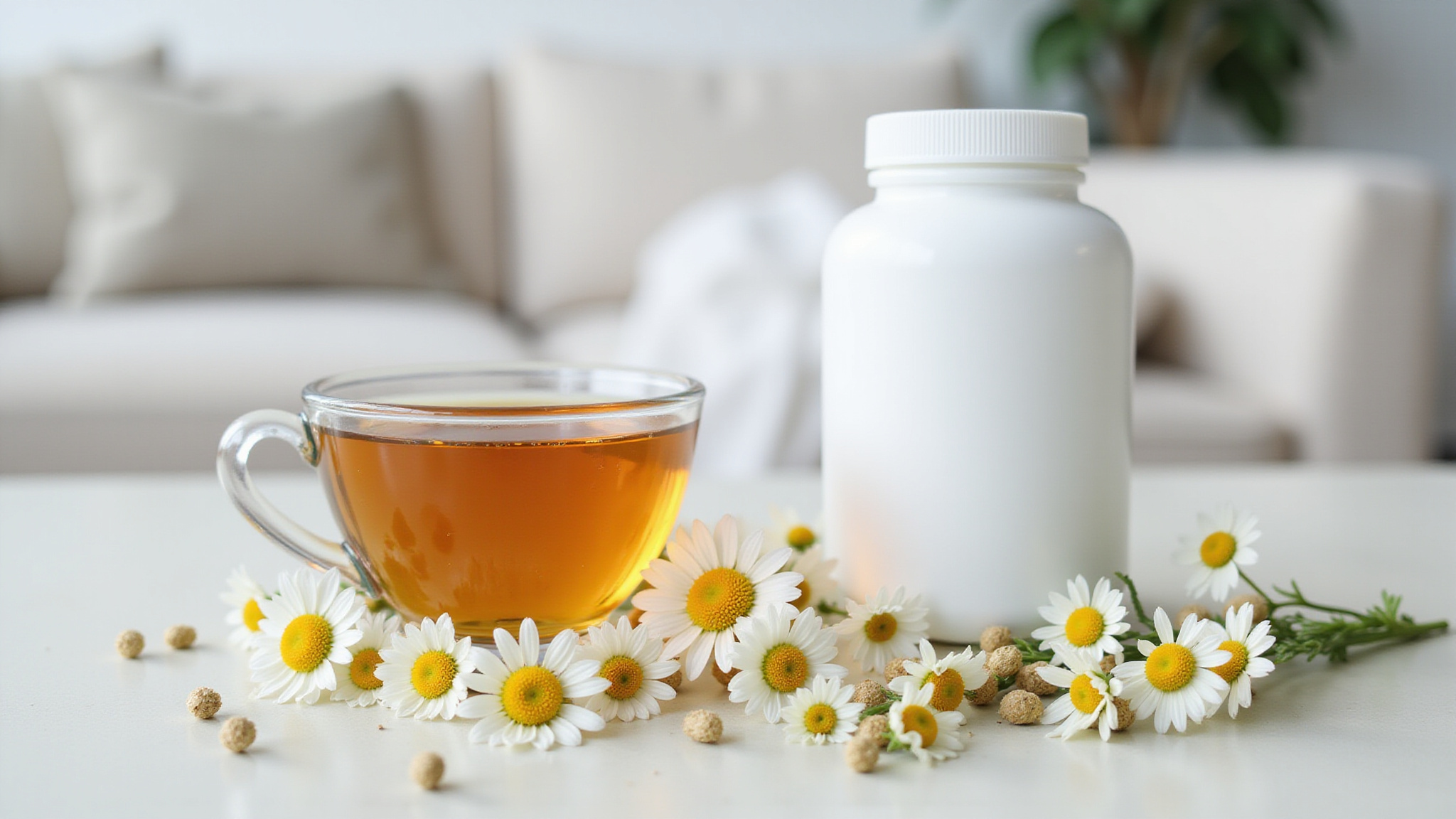
Neither chamomile nor magnesium measures up as a proven anxiety remedy yet. Chamomile doesn’t qualify as reliable: studies for generalized anxiety disorder are preliminary, and a 2019 review of three trials found no significant reduction in situational anxiety. If you try it, watch for allergic reactions, and check with your doctor if you take warfarin or cyclosporine, since chamomile may interact with both.
Magnesium lacks strong trial evidence for anxiety, so you shouldn’t assume it works simply because it’s widely marketed for calm. Treat it like any supplement: unproven until solid trials say otherwise.
Whatever you consider, ask a clinician or pharmacist to review it first, especially if you take medication. Don’t let a supplement delay assessment. CBT-based therapy remains the evidence-supported choice for persistent or severe anxiety.
What role does caffeine and alcohol reduction play
Reducing alcohol may help keep your anxiety from worsening, while caffeine’s role is less clear-cut. Cutting down on alcohol and avoiding illicit drugs can support your efforts to manage anxiety. Alcohol can seem to take the edge off anxiety in the moment, so it’s easy to overlook its longer-term role. These changes fit alongside other supportive habits: regular sleep and eating routines, a healthy diet, and physical activity, even a short walk.
If you notice coffee or energy drinks leave you jittery or restless, try reducing your intake and tracking whether your symptoms change.
Keep expectations realistic, though. Lifestyle adjustments support well-being, but they aren’t proven stand-alone treatments for anxiety disorders. If your anxiety persists or feels severe, don’t let these changes delay an assessment or established, evidence-supported care such as cognitive behavioral therapy (CBT).
How do mindfulness and nature exposure change anxiety
Mindfulness can ease anxiety by changing how you respond to anxious thoughts, while nature exposure has less direct evidence behind it. Mindfulness-based practices may ease anxiety symptoms, and meditation has shown small-to-modest benefits. In a 2023 trial of 208 participants, mindfulness-based stress reduction proved noninferior to escitalopram for anxiety disorders. Still, evidence for treating diagnosed anxiety disorders remains limited, so you shouldn’t drop established care in its favor. Meditation is generally safe for healthy people, though some movement-based practices may not suit you if you have physical limitations.
What’s clearer is that regular physical activity can reduce anxiety symptoms, and even a short walk is a useful starting point. Treat both as supportive habits, and seek assessment if your anxiety is persistent or severe.
Why natural does not always mean safe or interaction-free
Plant-based herbal supplements can still cause side effects and interact with your medicines. Kava may ease anxiety short term, but it’s been linked to severe liver injury, and the risk may rise if you use it longer than eight weeks. Lavender supplements can cause headache, appetite changes, or constipation, and they may make you drowsier if you also take sedative medicines. Chamomile can trigger allergic reactions and may interact with warfarin or cyclosporine.
Because evidence for these products remains limited, don’t treat them as replacements for standard anxiety care. Ask a doctor or pharmacist to review any supplement before you start it, especially if you take medication. If your anxiety is persistent or severe, don’t let supplements delay assessment or proven treatments such as CBT.
When should you check natural anxiety remedies with a clinician
Check with a clinician before starting any natural anxiety remedy if you take prescription medicine, if you plan to use kava, or if your anxiety is persistent, severe, or interfering with work, sleep, or relationships. A doctor or pharmacist can review herbal supplements for interactions with your prescriptions. Lavender may increase drowsiness with sedatives, and chamomile may interact with warfarin or cyclosporine. Kava has been linked to severe liver injury, especially with use beyond eight weeks.
Supplements, breathing exercises, and mindfulness can support well-being, but they shouldn’t delay assessment or replace proven care. Psychological treatments, especially CBT-based approaches, have stronger evidence for anxiety disorders. Therapy options for anxiety without medication include exposure therapy and acceptance and commitment therapy (ACT). A qualified mental health professional can help identify suitable approaches to manage anxiety symptoms and improve emotional well-being.
Bring a list of everything you take, including teas and over-the-counter products. Your clinician can help you weigh possible benefits against risks and decide whether a complementary approach fits safely alongside treatment.
Conclusion
When it comes to natural remedies for anxiety, the most dependable help doesn’t come in a bottle. Regular exercise, steady sleep and meals, slow breathing, progressive muscle relaxation, and mindfulness carry the strongest evidence, and cutting back on alcohol can keep anxiety from worsening. Among supplements, oral lavender has the best support while chamomile stays unproven and kava carries real liver risks, so none should replace established care or be started without a clinician’s review. Think of these approaches as helpful companions to treatment, not substitutes for it. If your anxiety is persistent or severe, proven care like CBT remains your strongest path, and a professional can help you build a plan that’s both natural and genuinely effective. Learn how to calm anxiety when it feels overwhelming with deep breathing, gentle yoga, and creative activities like drawing or journaling. These techniques can help manage stress, promote relaxation, and improve emotional well-being.
Pair Natural Remedies With Therapy That Works
Natural remedies can ease anxiety symptoms, but lasting relief often comes when paired with professional therapy that addresses the root. Path2Purpose in Stockton offers virtual and in-person Outpatient Program care for adults and adolescents across California, with individual and group therapy, coping and emotional regulation skills, and trauma-informed support for whole-person anxiety recovery. Verify your insurance or Call +1 (209) 868-3219 to explore what truly helps.
Frequently Asked Questions
How Long Does It Usually Take for Natural Remedies to Ease Anxiety?
There’s no reliable timeline, since how quickly most natural remedies work hasn’t been well established. You might feel calmer after a short walk or slow breathing, but those effects support well-being rather than treat an anxiety disorder. Kava may offer short-term relief, but its liver risks grow with use beyond eight weeks; check with a professional first. If your anxiety persists or feels severe, don’t wait. Seek assessment and evidence-supported care like CBT.
How Much Exercise Do I Need to Notice Reduced Anxiety?
There’s no proven minimum amount, but you don’t need much to start: even a short walk can help ease anxiety symptoms. The evidence points to regular activity, so aim for a routine you can sustain. Pair it with steady sleep, regular meals, and less alcohol. Still, exercise supports well-being rather than replacing treatment. If your anxiety persists or feels severe, don’t wait: seek assessment, since CBT-based approaches have stronger evidence.
Is Acupuncture or Massage Worth Trying for Anxiety Relief?
Neither has strong evidence behind it, so you shouldn’t count on either for anxiety relief. Acupuncture research is too limited for firm conclusions, and massage hasn’t proven effective for generalized anxiety disorder. You can try them if you enjoy them, but they can’t replace established care. You’ll get better-supported benefits from slow breathing, regular exercise, or CBT. If your anxiety’s persistent or severe, don’t let these delay a professional assessment.
Can I Combine Natural Remedies With CBT or Other Talk Therapy?
Yes, you can combine them, but treat them as add-ons, not replacements. CBT has the strongest evidence, while regular walks, slow breathing, mindfulness, and yoga may usefully complement it. Don’t let these practices delay care for persistent or severe anxiety. If you’re considering lavender, chamomile, or kava, ask your doctor or pharmacist first, since they can cause side effects, interact with medications, and kava’s been linked to severe liver injury.
How Can I Track Whether a Natural Remedy Is Working for Me?
Start by rating your anxiety daily on a simple 0, 10 scale before you begin, then keep logging it for several weeks. Change one thing at a time so you can tell what’s helping. Note sleep, alcohol, exercise, and any side effects, like drowsiness from lavender. Share your log with your therapist or doctor, especially if you’re taking medication. If symptoms persist or worsen, don’t wait. Seek professional assessment and established care.