





If you’re having a panic attack, you’ll notice intense fear or discomfort that peaks within minutes and eases in about 5 to 20. You might feel a racing heart, sweating, trembling, shortness of breath, chest discomfort, dizziness, or numbness. Distressing thoughts often follow, a sense of impending doom, fear of losing control, or feeling detached from reality. These symptoms can mimic emergencies, so knowing what to look for next matters.
Key Takeaways
- A panic attack begins abruptly, peaks within minutes, and typically eases within 5 to 20 minutes.
- Physical signs include a racing heart, sweating, trembling, shortness of breath, chest discomfort, and dizziness.
- Common emotions involve intense fear, a sense of impending doom, or fear of losing control or dying.
- You may feel detached from reality or as if observing yourself from outside your body.
- Seek urgent care for chest pain, persistent breathing trouble, fainting, or new neurologic symptoms that mimic panic.
Are You Having a Panic Attack and What Symptoms Should You Recognize
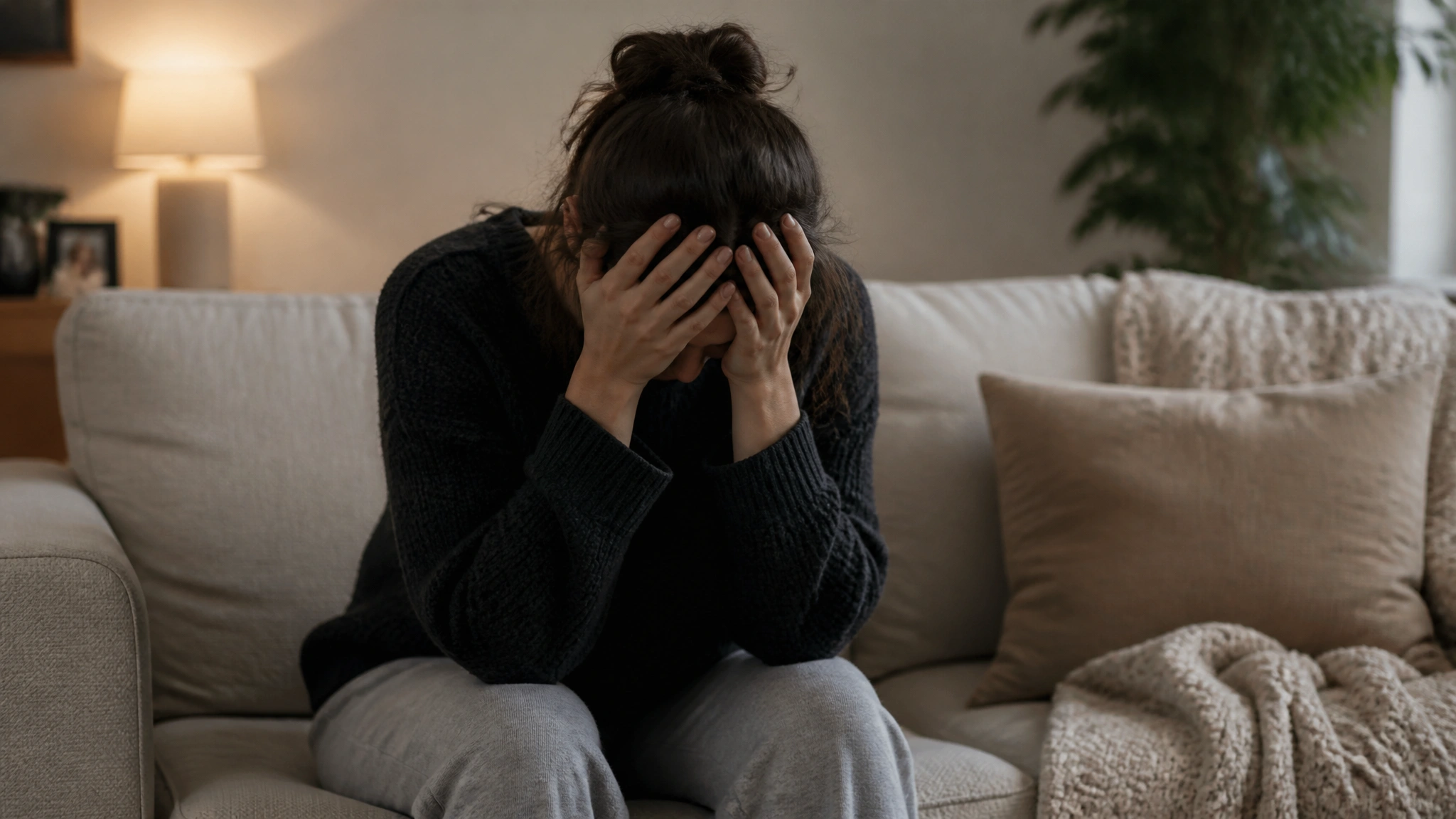
You’re having a panic attack if you experience a sudden period of intense fear or discomfort that peaks within minutes, often with an abrupt onset. If you’re asking yourself “am I having a panic attack,” look at the pattern of your symptoms. Panic attack symptoms include a racing or pounding heart, sweating, trembling, shortness of breath, nausea, chest discomfort, dizziness, or numbness and tingling. So what does a panic attack feel like? Many people describe a sense of impending doom, fear of losing control or dying, and feelings of unreality or detachment. Episodes usually last 5 to 20 minutes and feel overwhelming, but they’re time-limited. Recognizing these signs helps you understand what your body’s experiencing.
What Physical Symptoms Commonly Occur During a Panic Attack
During a panic attack, your body produces intense physical symptoms. Your heart may race, pound, or feel like it’s skipping beats. You might sweat, experience chills, or tremble uncontrollably. Shortness of breath, throat tightness, or a choking sensation often follow, along with nausea or abdominal cramping. Why panic attacks occur unexpectedly can be hard to grasp, and their unpredictability often heightens anxiety and restricts daily activities.
Other common signs of a panic attack include chest discomfort, dizziness or faintness, numbness or tingling in your fingers, lips, or face, and hot flashes. When you wonder what does a panic attack look like physically, remember these symptoms peak quickly and feel intense. Though frightening, they’re usually not dangerous, but chest pain or breathing trouble always warrants urgent medical evaluation.
What Thoughts and Feelings Can Occur During an Episode
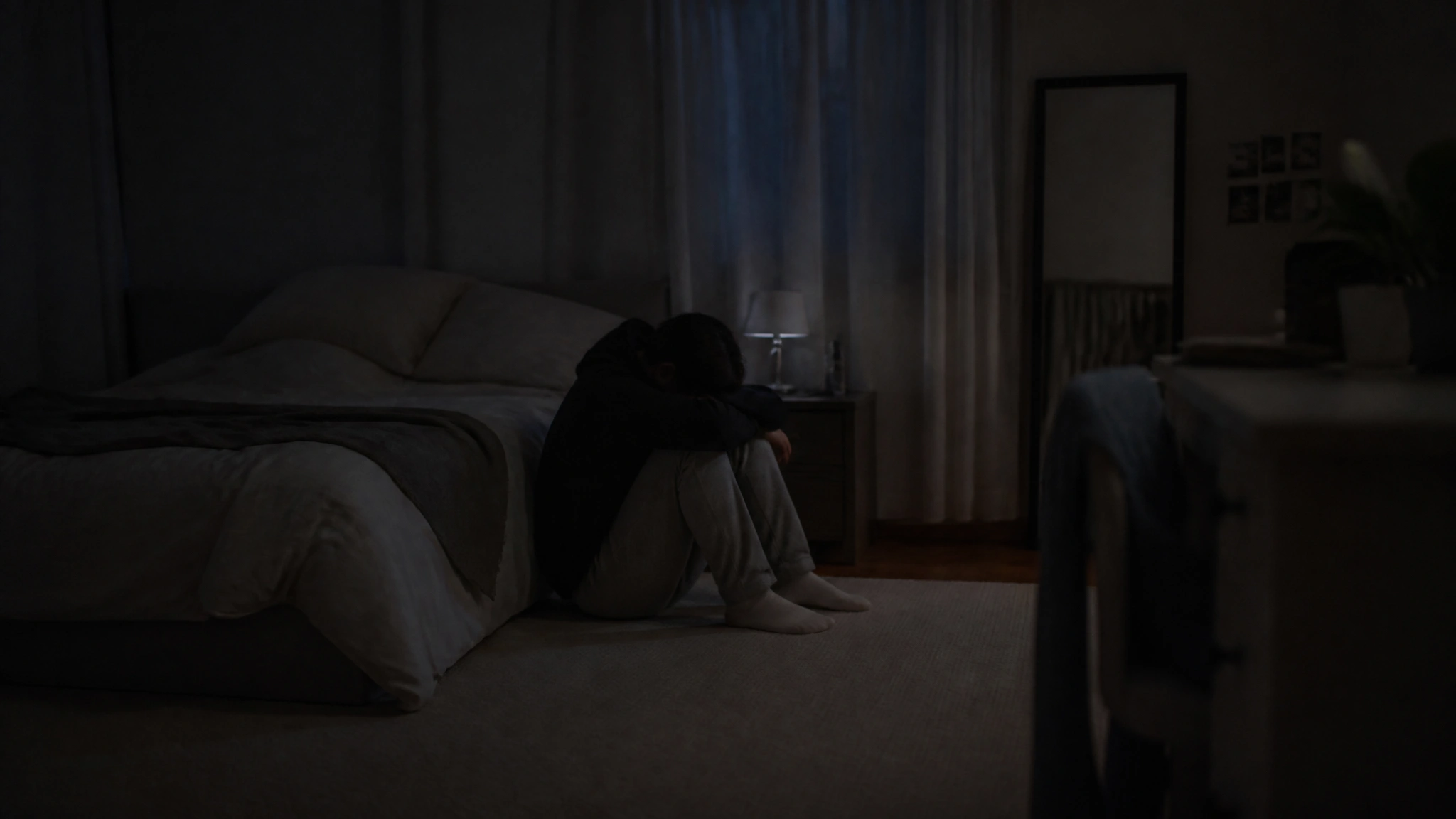
During an episode, your mind can spiral into overwhelming fear while your body reacts physically. You might feel a sudden sense of impending doom or danger, as if something terrible is about to happen. You may fear you’re losing control or even dying. Many people describe feelings of unreality or detachment, as though they’re observing themselves from outside their body or the world around them seems distant and dreamlike.
These thoughts can intensify your physical symptoms, creating a distressing cycle. Even after the episode passes, you might worry intensely about when the next attack will strike. These feelings are frightening, but panic attacks, though overwhelming, aren’t usually dangerous. Recognizing these cognitive and emotional signs can help you understand what you’re experiencing.
How Do Panic Attacks General Anxiety and Possible Medical Emergencies Differ in Onset Pattern and Next Steps
Panic attacks, general anxiety, and medical emergencies differ mainly in how quickly they start and what you should do next. The onset pattern often tells you the most.
| Feature | Panic Attack | General Anxiety |
|---|---|---|
| Onset | Abrupt, peaks in minutes | Gradual buildup |
| Duration | 5, 20 minutes | Hours to days |
| Trigger | Often none clear | Specific worry |
Panic attacks hit suddenly and fade, while general anxiety lingers and grows slowly. A medical emergency, though, can mimic panic. If you have chest pain, trouble breathing that won’t ease, fainting, or new neurologic symptoms, don’t assume it’s panic, seek urgent care. When your symptoms clearly match past attacks, you can use grounding techniques and wait for the episode to pass.
What Behavioral Signs Might Someone Else Notice During an Episode

Someone else might notice visible signs of a panic attack even before the person tells them what’s happening. You may see them trembling or shaking, breathing rapidly, or clutching their chest as if they can’t get enough air. Their skin might look flushed or pale, and you could notice sweating despite a cool room.
You might observe restlessness or pacing, or the opposite, someone freezing in place, appearing detached or unfocused. They may hold their throat, complain of dizziness, or steady themselves against a wall or chair.
Their voice could sound strained, and they might express fear of dying or losing control. Recognizing these behavioral cues helps you respond calmly, offer reassurance, and stay with them until the episode passes.
Which Details About Timing Triggers and Recovery Are Useful to Track After an Episode
Useful details to track after an episode include when it started and how long it lasted, most attacks peak within about 10 minutes and ease within 5 to 20. Record what you were doing beforehand, including your location, thoughts, or any stressor that preceded the onset. Track which symptoms stood out, like a racing heart, breathlessness, or a sense of dread, and how intense they felt.
Afterward, notice how long recovery took and whether worry about another attack lingered. If episodes wake you from sleep, log those too. Over time, these notes reveal triggers and timing, guiding treatment. If symptoms ever feel new or severe, seek medical evaluation first.
When Should New Severe or Unusual Symptoms Be Medically Evaluated
New severe or unusual symptoms should be medically evaluated whenever they could point to conditions beyond a panic attack, because panic symptoms can mimic serious medical conditions and you shouldn’t assume a first-time or unusually severe episode is “just panic” until a clinician confirms it. If you have chest pain and worry it’s heart-related, treat it as urgent and seek immediate evaluation. Get prompt medical care when trouble breathing doesn’t ease quickly, or when you experience fainting, severe dizziness, or new neurologic symptoms like weakness, numbness, or difficulty speaking. These signs warrant assessment because they can point to conditions beyond a panic attack. Panic attacks are frightening, but standard references note they’re not usually dangerous and don’t cause lasting harm. Still, don’t self-diagnose severe or unfamiliar symptoms. Let a healthcare provider rule out other causes, especially the first time they occur.
Get Support When Panic Attacks Keep Coming Back
Path2Purpose in Stockton provides treatment for anxiety and other mental health concerns through PHP, IOP, outpatient care, individual and group therapy, and medication management, with telehealth available across California. If panic attacks keep returning or begin affecting work, school, sleep, or daily routines, an assessment can help determine what level of care fits your needs. Call (209) 868-3219 to speak with the Path2Purpose team.
Frequently Asked Questions
Can Panic Attacks Be Prevented or Reduced With Lifestyle Changes?
Yes, you can often reduce panic attacks with certain lifestyle changes. Regular exercise, consistent sleep, and limiting caffeine and alcohol may help lower your overall anxiety. Practicing relaxation techniques, like deep breathing or mindfulness, can ease symptoms when stress builds. These steps won’t guarantee you’ll never have another attack, but they can help. If attacks persist or worsen, don’t hesitate to seek professional evaluation and support, you deserve relief.
What Treatments and Therapies Are Available for Panic Disorder?
You’ve got several effective options for panic disorder. Cognitive behavioral therapy helps you recognize and reframe fearful thoughts, while exposure techniques gradually reduce your avoidance and reaction to triggers. Medications, including certain antidepressants like SSRIs, can ease symptoms over time. Your provider might combine both approaches for the best results. Relaxation and breathing strategies can help too. Talk with a healthcare professional to find what’s right for you.
Are Children and Teenagers Able to Experience Panic Attacks?
Yes, children and teenagers can experience panic attacks. If your child suddenly feels intense fear alongside a racing heart, shortness of breath, trembling, or nausea, they’re likely having one. These episodes usually peak within minutes and feel frightening, but they aren’t typically dangerous. Young people may struggle to describe what’s happening, so watch for physical complaints or avoidance. If you’re concerned, seek a medical evaluation to rule out other causes.
Can Certain Medications or Substances Trigger Panic Attacks?
Yes, certain substances can trigger panic attacks. You might notice symptoms after too much caffeine, or when using stimulants, nicotine, or recreational drugs. Withdrawal from alcohol, sedatives, or other substances can also spark an episode. Some prescription medications may play a role too. If you suspect a substance or medication is contributing, talk with your doctor, they can help you evaluate what’s happening and adjust things safely, without judgment.
Is Panic Disorder Hereditary or Linked to Family History?
Yes, panic disorder can run in families, so if a close relative has it, you may face a higher risk. Family history doesn’t guarantee you’ll develop it, though, genetics is just one piece. Life stressors, temperament, and how your body responds to fear all play a role too. If you’re worried about your family history, it’s worth discussing with a healthcare provider who can offer personalized guidance and reassurance.